.png)
How to Choose the Right Construction Materials for Your Project

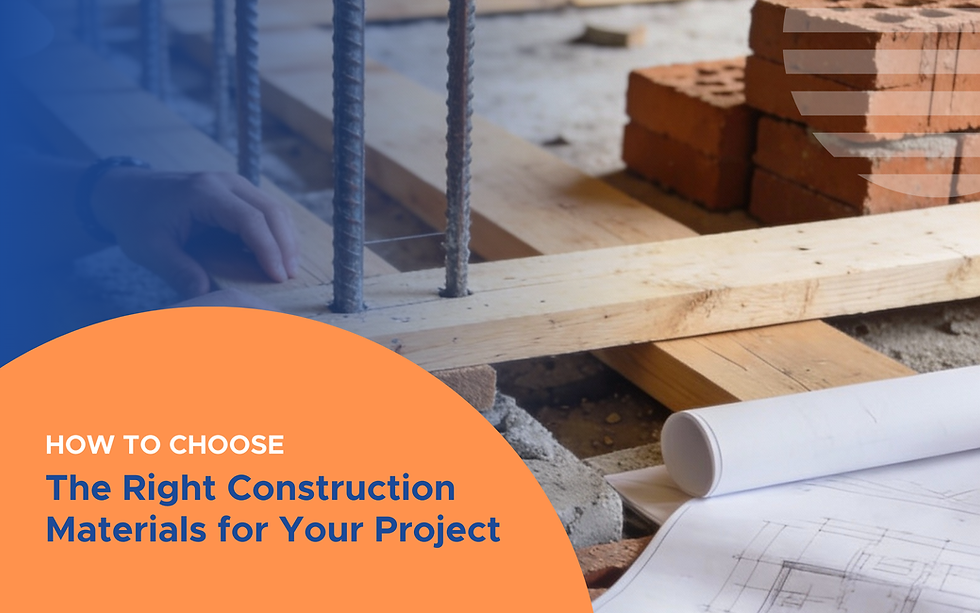
Choosing the right construction materials is one of the most critical decisions in any building or renovation project. The materials you select will directly influence structural safety, long-term costs, visual appeal, and how well the building performs over time.
Poor material choices often lead to premature deterioration, higher maintenance expenses, safety risks, and costly repairs that could have been avoided with proper planning.
Every construction project is unique. A residential home, a commercial space, and an industrial facility all require different material considerations based on usage, regulations, and environmental exposure.
Beyond appearance, construction materials must withstand weather conditions, daily wear and tear, and comply with safety standards while remaining cost-effective across their lifespan.
This guide explains how to choose the right construction materials for your project by breaking down the most important decision-making factors.
Why Choosing the Right Construction Materials Matters

1. Impact on Structural Strength and Safety
The primary role of construction materials is to ensure structural integrity and safety. Materials must provide adequate load-bearing performance to support the building’s weight and usage over time.
Structural failures often occur when materials are under-specified or unsuitable for the intended load.
Fire resistance is another critical consideration. Certain materials, such as concrete and steel, offer higher fire ratings, reducing the risk of collapse and improving occupant safety.
Additionally, weather resistance plays a key role, especially in regions exposed to heavy rain, high humidity, or extreme temperatures.
2. Long-Term Cost vs Short-Term Savings
While lower-cost materials may appear attractive initially, they often result in higher lifecycle costs. Frequent repairs, replacements, and increased maintenance can quickly outweigh the upfront savings.
Choosing materials with longer lifespans and lower maintenance requirements leads to better long-term value.
3. Aesthetic and Functional Outcomes
Construction materials also shape the visual identity of a space. Beyond aesthetics, materials must suit their purpose whether for residential comfort, commercial durability, or industrial performance.
Key Factors to Consider When Choosing Construction Materials

1. Project Type and Usage Requirements
Different projects demand different material solutions. Residential construction prioritises comfort, insulation, and aesthetics, while commercial projects require materials that handle higher foot traffic and stricter safety standards.
Indoor materials focus on finish and air quality, whereas outdoor materials must withstand environmental exposure.
2. Budget and Cost Constraints
Understanding material price ranges is essential. Costs vary significantly depending on quality, availability, and performance specifications.
Installation and labour costs must also be considered, as some materials require specialised skills or longer installation times, increasing overall expenditure.
3. Climate and Environmental Conditions
Environmental factors heavily influence material performance. High humidity can cause wood swelling, while coastal environments accelerate corrosion in untreated metals.
Materials expand and contract with temperature changes, making proper selection crucial to avoid cracking or warping.
4. Durability and Lifespan
Durable materials withstand wear and tear over time. Resistance to pests, corrosion, and decay is particularly important in long-term projects. Materials with proven longevity reduce replacement frequency and structural risks.
5. Maintenance Requirements
Maintenance impacts both cost and usability. Some materials require frequent cleaning or sealing, while others offer low-maintenance solutions. Understanding repair and replacement cycles helps prevent unexpected expenses and operational disruptions.
Common Types of Construction Materials and Their Uses

1. Concrete
Concrete is valued for its strength and versatility. It is widely used for foundations, slabs, and structural elements.
Pros: High durability, fire resistance, low maintenance.
Cons: Heavy weight, limited flexibility
Steel
Steel provides excellent structural support and is commonly used in commercial and industrial buildings.
Pros: High strength-to-weight ratio, precision fabrication
Cons: Susceptible to corrosion without proper treatment
Wood and Timber
Wood offers natural aesthetics and warmth, making it popular in residential projects. Treated timber resists pests and moisture, while untreated wood suits indoor applications.
Pros: Renewable, visually appealing
Cons: Requires maintenance, sensitive to moisture
Brick and Masonry
Brick and masonry deliver strong thermal performance and durability.
Pros: Long lifespan, fire resistance
Cons: Higher labour costs, less design flexibility
Glass
Glass enhances natural light and creates open spaces. Safety glass is essential for impact resistance and compliance.
Pros: Daylighting, modern appearance
Cons: Heat gain, privacy concerns
Composite and Engineered Materials
These modern alternatives combine multiple materials for enhanced performance.
Pros: Improved strength, lower maintenance
Cons: Higher upfront cost in some cases
Comparison of Common Construction Materials
Material | Strength | Lifespan | Cost Level | Maintenance |
Concrete | Very High | 50+ years | Medium | Low |
Steel | Very High | 40–60 years | High | Medium |
Wood | Medium | 20–40 years | Low–Medium | High |
Brick | High | 50+ years | Medium | Low |
Glass | Medium | 30–50 years | Medium–High | Medium |
Composite | High | 40+ years | Medium–High | Low |
Conclusion
Choosing the right construction materials is not simply about cost or appearance—it is about balancing safety, durability, performance, and long-term value. Each project has unique requirements shaped by usage, environment, and budget, making informed decision-making essential from the outset.
By understanding material properties, environmental factors, and maintenance implications, you reduce risks and ensure your project stands the test of time.
Professional guidance can further help align material choices with regulatory requirements and project goals.
If you need expert advice tailored to your construction needs, speak with shenaz professional team before making final decisions.


Comments